
- Clean My Drive For Mac
- Clean Hard Drive Macbook Pro
- Clean Up Mac Hard Drive
- How Do I Clean My Mac Hard Drive
- How To Clean Up My Mac

- Launch Disk Utility. The very first step is launching the Disk Utility and getting straight to the.
- Clean up your Mac. The end of system junk. This tool builds an interactive map of your entire drive. You can visually spot the largest space-wasters to quickly free up space on Mac. Speed up your Mac. An army of maintenance tools. When your Mac stalls, free up its RAM memory in a click. Also, run Maintenance scripts to make your apps more.
- Download Disk Doctor: System Cleaner for macOS 10.7 or later and enjoy it on your Mac. Free up tons of disk space with Disk Doctor by removing gigabytes of unneeded files from your hard drive. With just a few clicks, you can selectively remove files from the following categories: - Applications Caches - Application Logs - Browser Data - Mail.
This is the most common tip among all Mac users to cope with a lack of storage. Still others recommend that in order to do the job right you open the Mac, extract the drive, and clean the lens with a Q-tip and denatured alcohol (iFixit can show you how to open your MacBook.
Clean your hard drive to keep it in tip top shape and your data safe. The best repair is the one you don’t have to make. If you can keep your computer up to date and in tune, you and your PC will live a happier, more productive life. Start by making sure that you clean your hard drive to keep it in tip-top shape with regular cleanings.
Choose Start→All Programs→Accessories. Select System Tools and click Disk Cleanup.
The Disk Cleanup dialog box appears.
In the Files to Delete list, check the boxes next to the names of the files you want to remove and clear the boxes next to any files you want to keep. Click the Clean Up System Files button.
The list of files you can remove safely expands, and the More Options tab appears.
Click the More Options tab to clean up programs you don’t use or to remove System Restore files.
You should remove System Restore files and shadow copies only if you’re desperate for hard drive space. These files can help you get your system back to normal if the current installation files become damaged or your configuration gets out of whack.
Click OK to start the cleanup process.
Windows asks whether you’re sure that you want to delete these files.
Click Yes.
Your hard drive is now cleaned up.
If you’re willing to dig into your iMac’s data a little, there’s no reason to buy additional software to help you clean up your hard drive. All you really need is the willpower to announce, “I simply don’t need this particular item any longer.” (Sometimes, that’s tougher than it may seem.)
Unnecessary files and unneeded folders

Consider all the stuff that you probably don’t really need:
- Game demos and shareware that you no longer play (or even remember)
- Movie trailers and other QuickTime video files that have long since passed into obscurity
- Temporary files that you created and promptly forgot
- Log files that chronicle application installations and errors
- GarageBand loops and iMovie video clips you’ll never use
- StuffIt and Zip archives that you downloaded and no longer covet
- iTunes music, video, and movies that no longer appeal
How hard is it to clean this stuff off your drive? Easier than you might think!
- You can quickly delete files.
- You can remove items from your iTunes Library (especially movies, which take up several gigabytes of space each). If you’ve purchased an item from the iTunes Store, don’t forget that you can download that item again in the future for free — perhaps when you’ve added an external drive to hold some of your stuff.
- You can move seldom-used files and folders to external storage (such as a USB flash drive, an external hard drive, or a DVD).
- You can uninstall applications purchased from the App Store using Launchpad. From the Launchpad display, click and hold down the icon until it wiggles. If an X button appears on the icon, you can click the X to remove the application from your iMac. Again, these applications can be reinstalled at any time.
- You can get rid of most of the space taken by any application (often the whole application) by deleting its application folder that was created during the installation process.
Always check the application’s README file and documentation for any special instructions before you manually delete any application’s folder! If you created any documents in that folder that you want to keep, don’t forget to move them before you trash the folder and its contents. In fact, some applications may come with their own uninstall utility, so checking the README file and documentation may save you unnecessary steps.
Removing an application or file from your hard drive usually takes two simple steps:
- Display the file or application folder in a Finder window.
- Delete the file or folder with one of these steps:
- Drag the icon to the Trash.
- Select the icon and press ⌘+Delete.
- Right-click the icon and choose Move to Trash from the contextual menu.
- Select the icon and click the Delete button on the Finder toolbar (if you added one).
Truly, no big whoop.
Unlike programs in the Windows world, most OS X applications don’t need a separate, silly uninstall program (although some larger Mac applications include one for convenience).
Clean My Drive For Mac
Don’t forget to actually empty the Trash, or you’ll wonder why you aren’t regaining any hard drive space. (El Capitan works hard to store the contents of the Trash until you manually delete it, just in case you want to undelete something.) To get rid of that stuff permanently and reclaim the space, do the following:
- Click the Trash icon on the Dock and hold down the button — or right-click — until the pop-up menu appears.
- Choose Empty Trash.
Clean Hard Drive Macbook Pro
Clean Up Mac Hard Drive
Associated files in other folders
How Do I Clean My Mac Hard Drive
Some applications install files in different locations across your hard drive. (Applications in this category include the Microsoft Office suite and Adobe Creative Suite and Creative Cloud applications like Adobe Photoshop.) How can you clear out these orphan files after you delete the application folder?
The process is a little more involved than deleting a single folder, but it’s still no big whoop. Here’s the procedure:
How To Clean Up My Mac
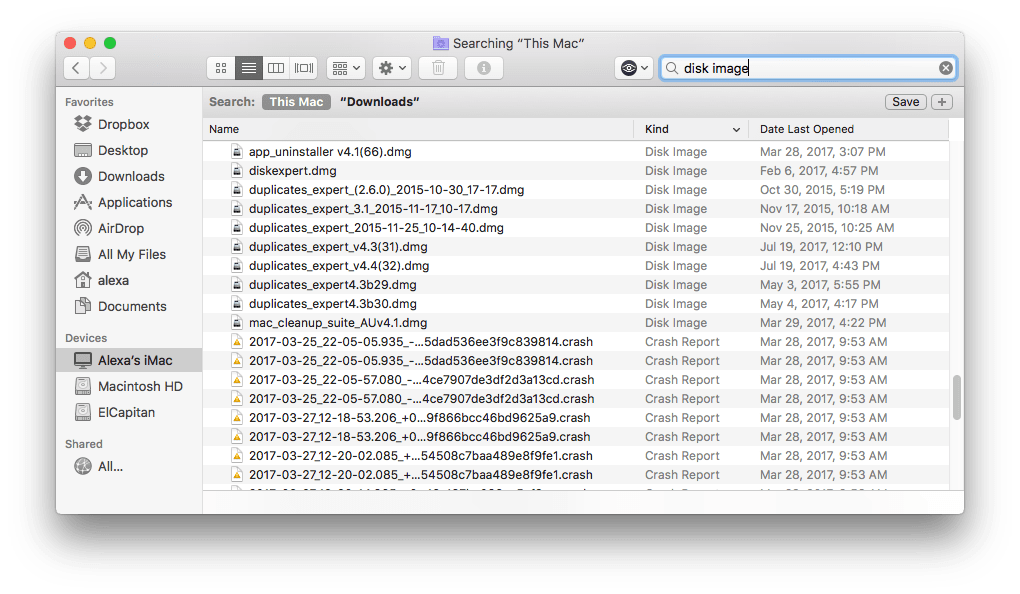
- Click the Search text box in a Finder window.
- Type the name of the application in the Search text box. If you want to remove Toast Titanium, you search for every file with the word Toast in its name; therefore, you find both the application and its main folder. This trick displays files created in other folders that include your search word in their names, such as project files, PDF files, and the font files that appear in the system Fonts folder.